

exercise physiology that comes to you
Exercise physiologists specialise in clinical exercise interventions for people with a broad range of health issues. Those people may be at risk of developing, or have existing, medical conditions and injuries.

What is Exercise Physiology?
The aims of exercise physiology interventions are to prevent or manage acute, sub- acute or chronic disease or injury, and assist in restoring one’s optimal physical function, health or wellness. These interventions are exercise-based and include health and physical activity education, advice and support and lifestyle modification with a strong focus on achieving behavioural change.

Eoghan Rosser



How we can help
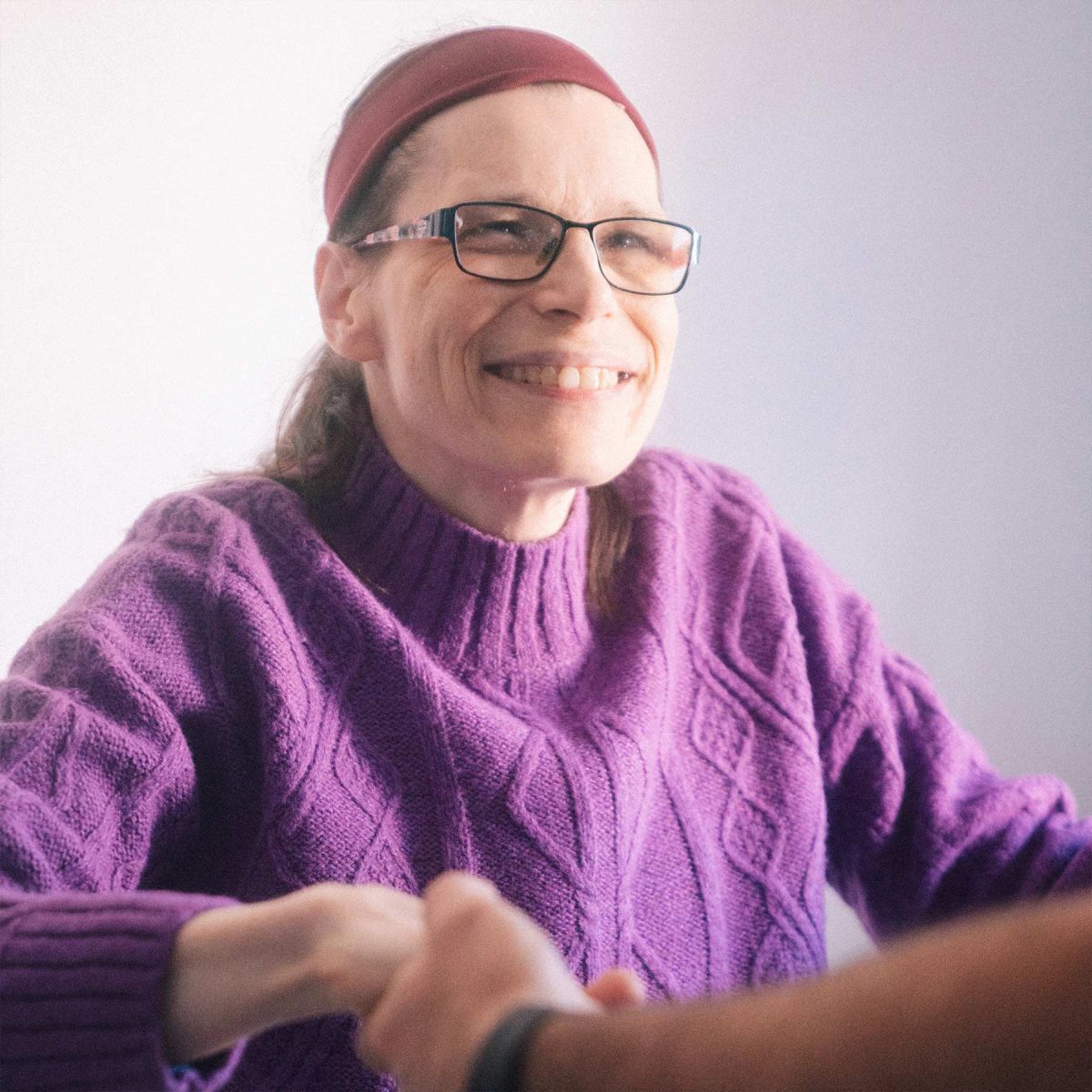
Accredited exercise physiologists offer a range of services which include behavioural coaching, health education, exercise counselling and physical rehabilitation. Services include the prescription of tailored exercise programs, promoting leisure-time and incidental activity, and counselling to reduce sedentary behaviours. This will include an assessment to ensure the activity is safe, effective and likely to be maintained in the long term.
THERE ARE A WIDE RANGE OF REASONS WHY A PERSON MAY BENEFIT FROM CONSULTING AN EXERCISE PHYSIOLOGIST. THESE INCLUDE CHRONIC DISEASE MANAGEMENT REFERRALS AFTER DIAGNOSIS OF A RANGE OF CONDITIONS INCLUDING:
- Cardiovascular disease
- Pulmonary disease
- Metabolic disease
- Neurological disease
- Musculoskeletal disease (including arthritis, osteoporosis/osteopenia, acute and/or chronic musculoskeletal issues)
- Depression and other mental health conditions
- Cancer
- Disability (intellectual and physical)
EXERCISE PHYSIOLOGISTS MAY ALSO ASSIST WITH:
- Assessments of functional capacity
- Advice on lifestyle modification to improve health status
- Exercise prescriptions for strength and function improvement pre- and post-surgery
- Workplace assessments
Further information / Source: ahpa.com.au


Meet our Exercise Physiologists
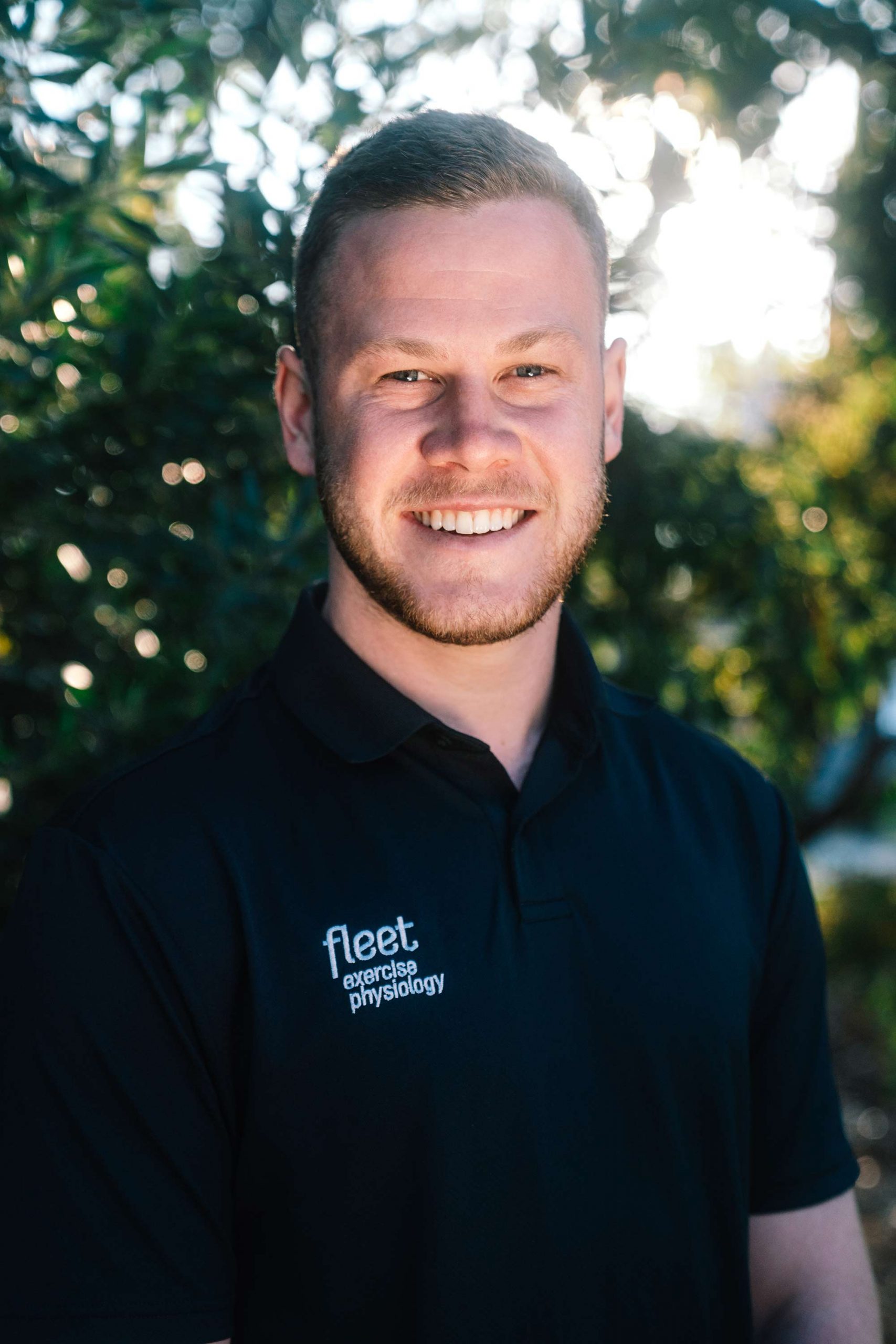
Ryan Hope
EXERCISE PHYSIOLOGIST
Ryan holds a Bachelor of Sport and Exercise Science from Western Sydney University and has since furthered his education at Charles Sturt University upon completing his Masters of Clinical Exercise Physiology.
Ryan has had experience working with multiple chronic conditions including musculoskeletal rehabilitation, neurological disorders and Cancer patients. Having previously worked in aged care dementia, has a particular interest for neurological disorders as well as musculoskeletal rehab.
Ryan is passionate about all things health and fitness. Having experience playing representative soccer for more than a decade, he believes that participating in exercise is one of the most important aspect to living a healthy lifestyle.
Outside of work you’ll find Ryan playing soccer, enjoying a round of golf or in the gym doing CrossFit.
RYAN’S QUALIFICATIONS INCLUDE:
- Bachelor of sport and exercise science
- Masters Clinical Exercise Physiology
- ESSA accredited exercise scientist
- ESSA accredited Exercise Physiologist
- NDIS Worker orientation module
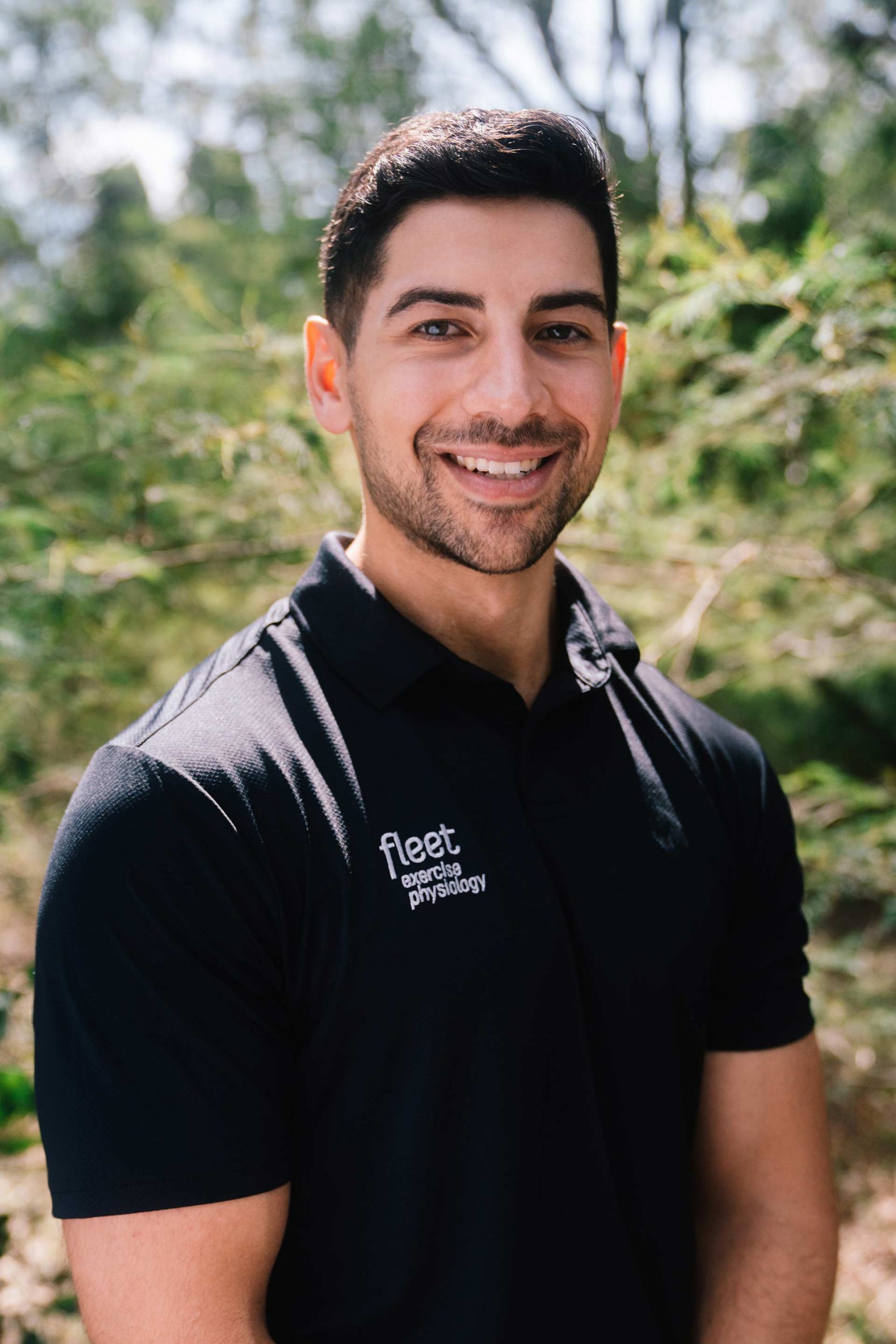
Peter Rahim
EXERCISE PHYSIOLOGIST
Peter holds a Masters of Exercise Physiology from the University of Sydney.
He has worked with many different conditions and populations including cardiac and metabolic disease, neurological disorders and various disabilities. He has a particular interest in musculoskeletal rehabilitation and pain. Peter enjoys keeping active in his own time and particularly enjoys strength training and boxing.
PETER’S QUALIFICATIONS INCLUDE:
- ESSA member
- Accredited exercise physiologist
- Accredited exercise scientist
- State Insurance Regulatory Authority WorkCover NSW Allied Health Practitioner
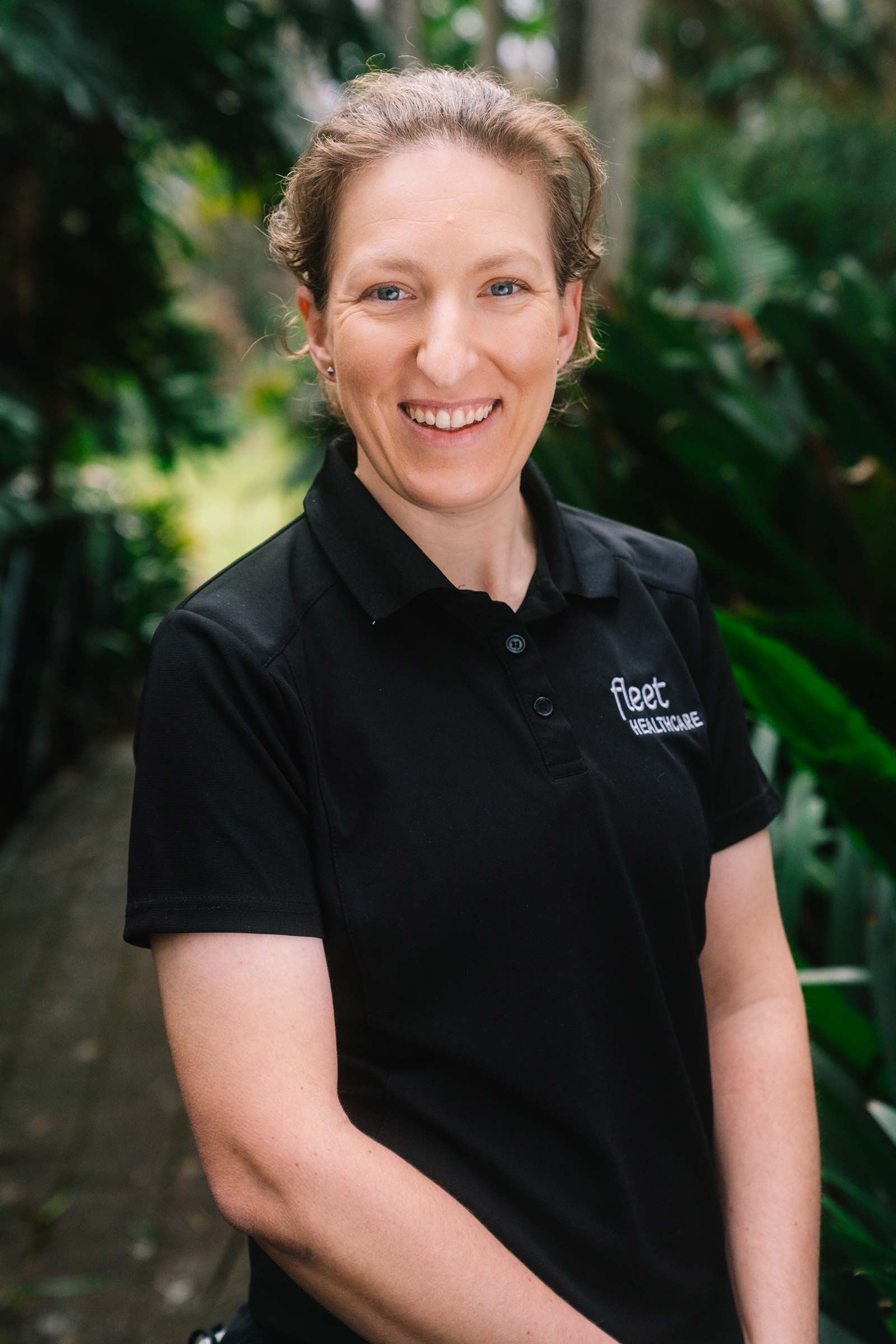
Laura Brienesse
EXERCISE PHYSIOLOGIST
Laura holds a Master’s in Exercise Physiology with the Dean’s Scholar Award from the University of Sydney. With over 10 years of experience as an Accredited Exercise Physiologist, she designs exercise programs for those with chronic conditions, focusing on strength, balance, and independence. Her research paper on resistance training for Parkinson’s Disease was published in the Journal of the American Medical Directors Association.
Laura supervises university exercise physiology students, sharing her expertise in chronic disease management. She is a seasoned coach in track and road athletics, with accolades including Sport NSW Community Coach of the Year and Wheelchair Sports Volunteer of the Year.
Outside of her professional achievements, Laura excels in competitive cycling, winning State and National medals in road, track, and cyclocross events. She has also represented NSW and Australia in rowing, earning State and National medals.
LAURA’S QUALIFICATIONS INCLUDE:
- Masters of Exercise Physiology
- Bachelor of Health Sciences (Health and Movement Science)
- Accredited Exercise Physiologist and member of ESSA
- Provide First Aid and CPR
- Understanding Dementia and Preventing Dementia Certificates
- Level 1 Rowing Coach
- Level 1 Athletics Coach
- Regional Cycling Commissaire
Eoghan Rosser
EXERCISE PHYSIOLOGIST
Eoghan has experience in private practice multi-disciplinary teams providing Exercise Physiology and Pilates. He uses his exercise prescription knowledge and skills to help with health issues such as cardiovascular disease, diabetes, osteoporosis and muscle and joint rehab as well as neurological conditions like Parkinson’s disease.
Eoghan holds a Bachelor’s of Sport and Exercise Science and a Master’s of Clinical Exercise Physiology.
When not working Eoghan enjoys playing soccer, golf and going to the gym.
EOGHAN’S QUALIFICATIONS INCLUDE:
- Bachelor of sport and exercise science
- Masters Clinical Exercise Physiology
- ESSA accredited exercise scientist
- ESSA accredited Exercise Physiologist
- NDIS Worker orientation module
How we can help
Our services






Ready to make a booking?
Can’t see your injury or condition?